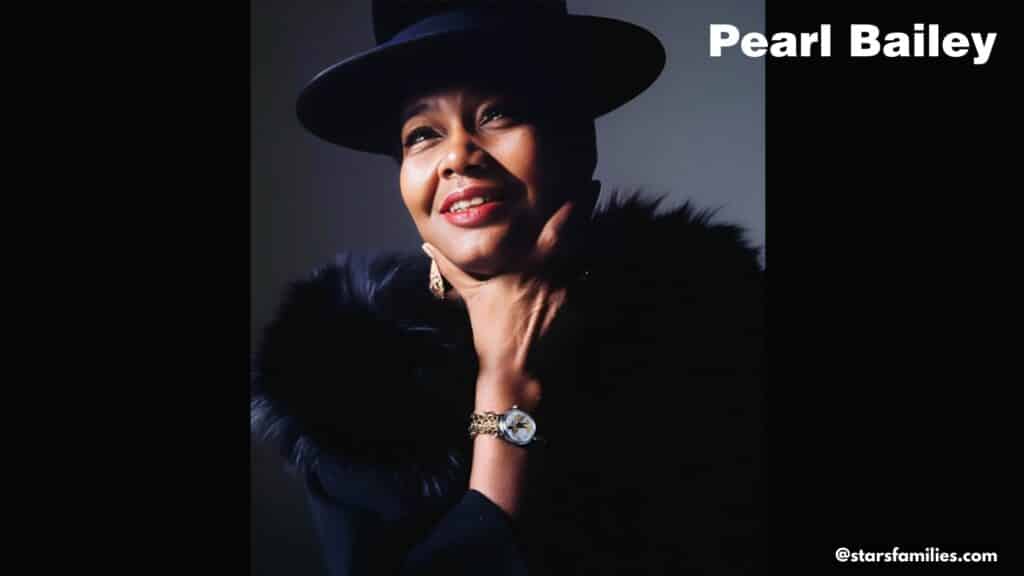
Pearl Mae Bailey was not merely an entertainer; she was a pioneer of the “personal brand” decades before the term existed. To discuss Pearl Bailey net worth is to analyze how an icon’s estate evolves through shrewd diversification and ironclad contract negotiation. Bailey was a giant who operated in an era where Black performers were often systematically underpaid, yet she rose to command salaries that rivaled the biggest white stars of Hollywood and Broadway. Her legacy is not found in a static bank balance, but in the diversified revenue streams she built across music, film, literature, and diplomacy.
Pearl Bailey Net Worth 2026
Pearl Bailey Net Worth is between $3 million and $6 million by 2026.
This estimation takes into account inflation and involves posthumous royalty. Bailey made her fortune by private agreements, a small amount of public revelations, and royalties, unlike contemporary artists whose income is publicly monitored. Her success is a payoff of decades of effort in multiple entertainment fields. Such a breakdown reveals the specific streams that contributed to her robust financial profile.
| Income Source | Estimated Contribution (2026 Adjusted) |
| Music & Live Performances | $1,200,000–$2,000,000 |
| Broadway & Theater | $1,500,000–$2,500,000 |
| Film & Television | $400,000–$700,000 |
| Books & Speaking Engagements | $200,000–$400,000 |
| Posthumous Royalties & Legacy | $100,000–$300,000 |
Pearl Bailey: How She Built Her Fortune
The revenue of Pearl Bailey was based on a number of different sources, which support her influence culturally and economically.
| Income Source | Description | Impact |
| Music & Live Performances | Nightclubs, concerts, recording royalties | Core income, expanded fanbase |
| Broadway & Theater | Lead roles including Hello, Dolly! | Major earnings, cultural influence |
| Film & Television | Carmen Jones, The Pearl Bailey Show | Steady income, wider audience |
| Books & Speaking | The Raw Pearl, lectures, university degrees | Supplemental income, thought leadership |
| Posthumous Royalties | Legacy recordings, syndicated shows | Modest ongoing income, preserves heritage |
Early Economic Foundations: From the Apollo to Big Bands
Born in 1918 in Newport News, Virginia. Bailey’s professional entry into the economy of entertainment began with a win at an amateur night at the Pearl Theatre in Philadelphia, followed by the legendary Apollo Theater in Harlem.
In the 1940s, Bailey transitioned from a solo act to a “featured attraction” with the orchestras of Cootie Williams and Count Basie. This was her first major revenue stream—the live performance circuit. By creating a trademark “lazy” delivery where she seemingly chatted through songs, she became a premium draw for high-end nightclubs, allowing her to negotiate fees far above the standard “Chitlin’ Circuit” rates of the era.
The Broadway Powerhouse: The $40,000-a-Week Star
The true peak of Bailey’s earning power occurred in the late 1960s. While Hello, Dolly! was already a hit, it was the all-Black production led by Bailey and Cab Calloway that revitalized the show’s box office and saved the production from closure.

- The Contract: At her height, Bailey was earning a base salary and a percentage of the weekly box office that set new precedents for Black women in theater.
- The Special Tony: Her 1968 Tony Award served as a “valuation multiplier” that allowed her to double her appearance fees for the next two decades.
- The “Film” Distinction: While many confuse her stage run with the 1969 film (which starred Barbra Streisand), Bailey’s stage success was so immense that she led multiple national tours of the show in the 1970s, generating millions in ticket sales.
The Television Pivot: The Pearl Bailey Show (1971)
In January 1971, ABC handed Pearl Bailey her own prime-time variety hour. This was a massive financial milestone:
- Ownership: The series was a “Cooper-Finkel Company production in association with the Pearl Bailey Production Corporation.” By co-producing, Bailey held a stake in the show’s intellectual property.
- The Star Power Budget: Guests included Louis Armstrong and Lucille Ball. Bailey’s contract reflected her ability to pull in these A-list names, placing her in the top tier of television earners for that decade.
Commercial Endorsements: The Duncan Hines Era
In the 1980s, Bailey made a brilliant pivot into the world of commercial endorsements. She became the face of Duncan Hines cookies, singing “Bill Bailey, Won’t You Come Home” in a series of highly successful TV spots.
Industry records suggest that major celebrity endorsements in that era could command mid-six-figure contracts. By also representing brands like White-Westinghouse, Jell-O, and Paramount Chicken, Bailey secured “passive” income that protected her wealth as she transitioned into her later years. This move was crucial in maintaining her multi-million dollar net worth into her retirement years.
Literary Portfolio and Posthumous Royalties
Pearl Bailey was a prolific author of six books, including The Raw Pearl (1968) and Pearl’s Kitchen (1973). These works provided a steady stream of royalties and kept her brand alive in the minds of the American public.
Today, her estate continues to benefit from:
- Disney Residuals: Her voice role as “Big Mama” in The Fox and the Hound (1981) remains a consistent source of income via streaming platforms like Disney+.
- Music Syndication: Her 1950s and 60s recordings remain staples of jazz and “Great American Songbook” collections.
Historical Financial Data (Inflation Adjusted)
Pearl Bailey’s personal life was as barrier-breaking as her career. In 1952, she
| Era | Primary Income Source | Estimated Value (Today’s USD) |
| 1930s | Apollo Theater / Club Gigs | $600 – $800 / week |
| 1950s | Film Roles (Carmen Jones) | $150,000 – $250,000 / project |
| 1967 | Hello, Dolly! (Broadway) | $40,000+ / week |
| 1971 | The Pearl Bailey Show (TV) | $1,500,000+ (Series Contract) |
| 1980s | Commercial Endorsements | $500,000 – $1,000,000 / year |
Personal Life and Family Legacy

married Louie Bellson white jazz drummer. Together, they raised their biological daughter, Dee Dee Bellson, and their adopted son, Tony. Upon Pearl’s death in 1990 and Louie’s in 2009, their combined estates formed the basis of a significant family legacy. Though both children have since passed, the management of the Pearl Bailey Production Corporation files and IP remains a testament to her business acumen.
Conclusion: Why Her Net Worth Lives On
The life of Pearl Bailey was a masterclass in career planning. She died with a fortune built on diversification. She refused to be “just” a singer, moving into Broadway, television, literature, and even diplomacy as a UN delegate. Her true “net worth” is the blueprint she left for modern performers: Own your voice, diversify your income, and never let the industry define your value.

Thomas William is the lead author at Stars Families. A seasoned writer with a passion for uncovering fascinating stories about celebrities and their families, Thomas brings years of experience in celebrity journalism to Stars Families.